Composites
OUT-OF-AUTOCLAVE
FROM MATERIAL TO PRODUCT
Our Out-of-Autoclave approach combines advanced materials, tailored material architectures and high-rate manufacturing processes to develop lightweight, high-performance composite components. Hybrid manufacturing enables the combination of different materials and the integration of functions, opening new possibilities for both structural and cosmetic applications. From material development to finished components and subassemblies, process control and repeatability ensure consistent quality while shorter cycle times and flexible technologies enable efficient and scalable manufacturing.
Materials & Architectures
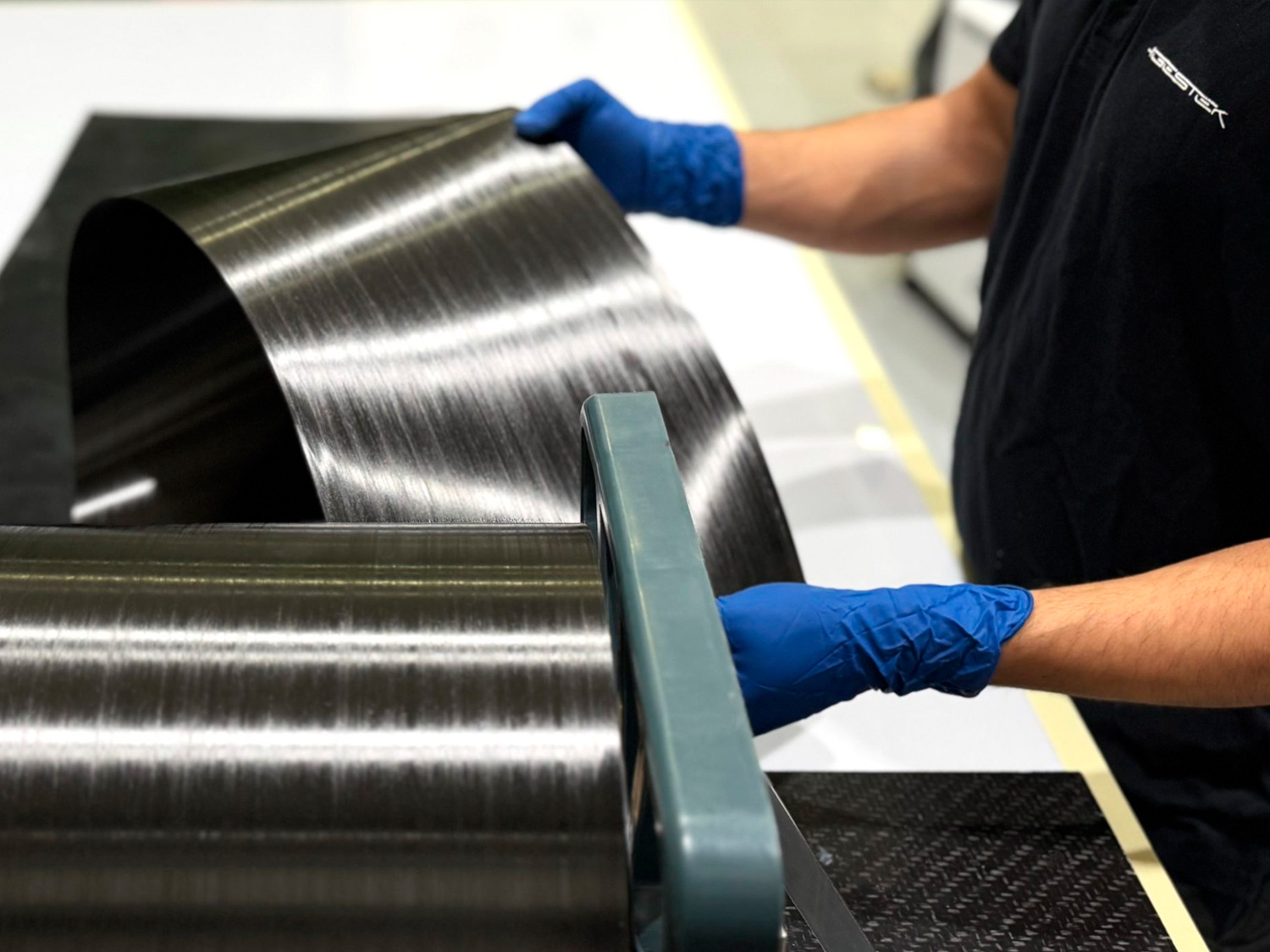
Starting from prepreg materials in UD and FABRIC formats, we develop tailored material architectures according to the requirements of each application and manufacturing process. We define material selection, stacking sequence, lay-up configuration and different thicknesses, including variable-thickness configurations, to create tailored stacks for both thermoset and thermoplastic composites. For thermoplastic composites, these stacks are consolidated into tailored blanks/organosheets, including the integration of functional layers such as lightning strike protection and anti-corrosion protection.
Compression molding
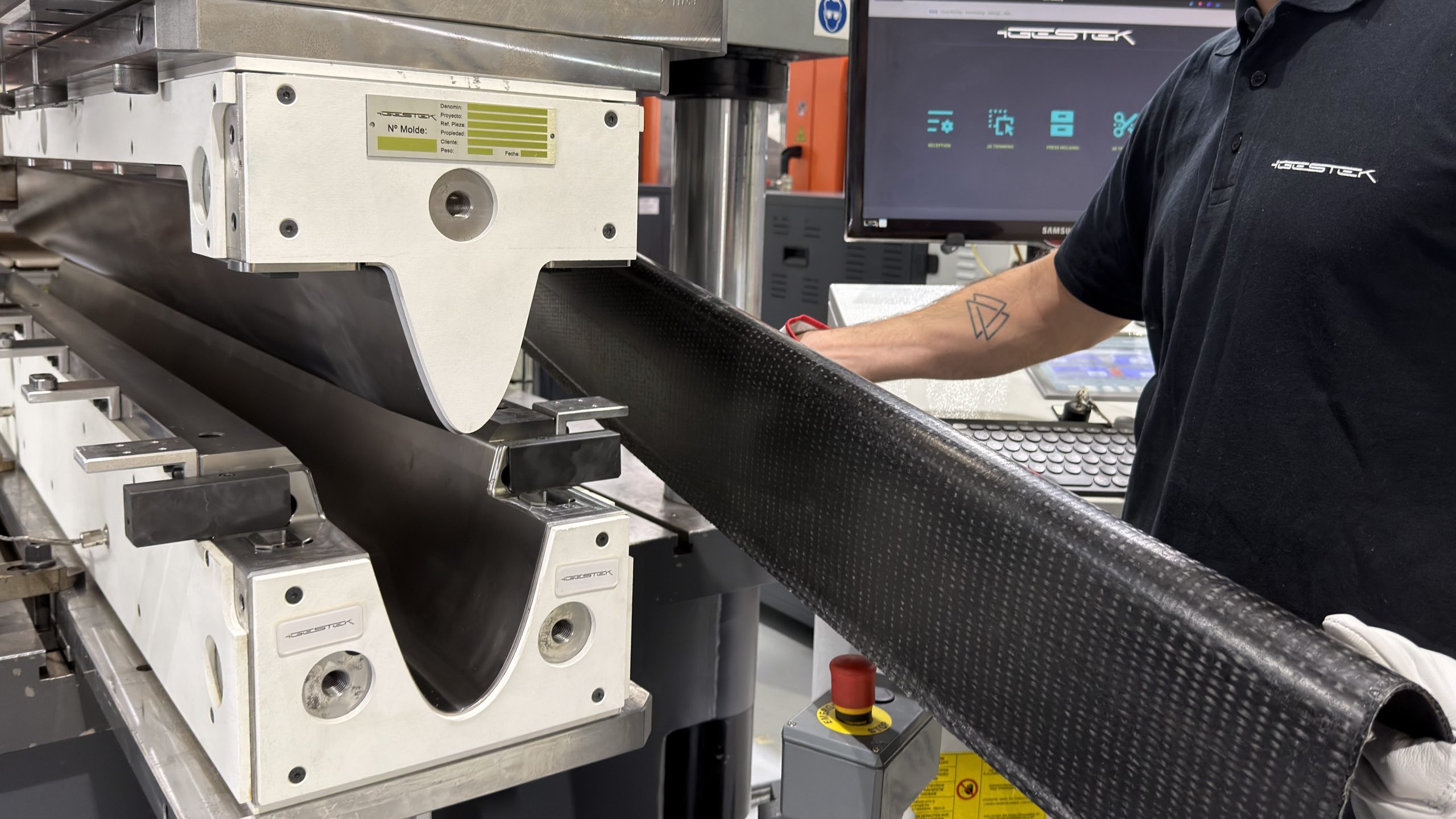
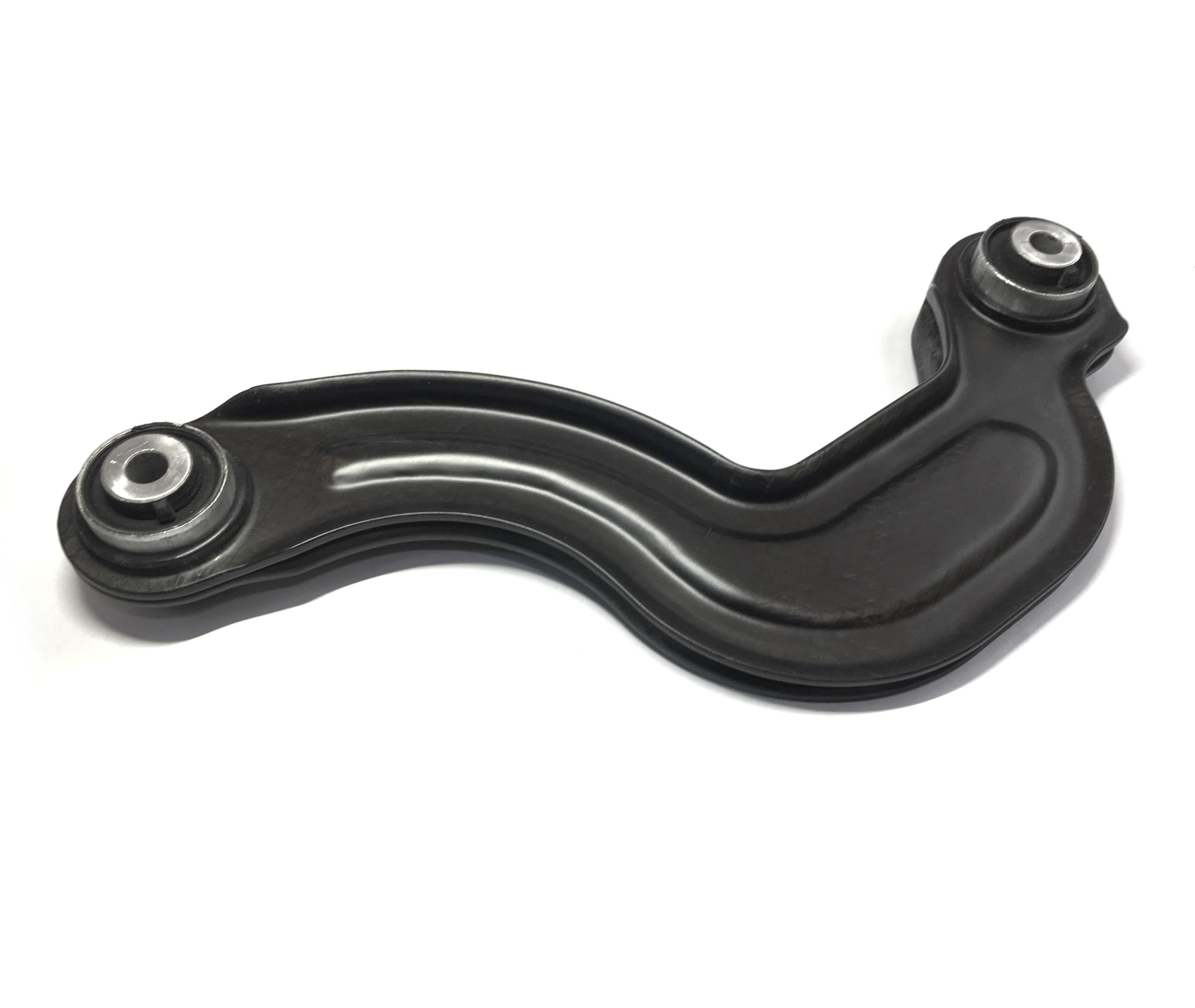
Prepreg Compression Molding (PCM) enables high-rate manufacturing of high-performance thermoset composite components using rapid-curing prepregs and short cure cycles.
Starting from flat lay-ups or net-shape preforms, the material is compression molded in a press under controlled temperature and pressure using dedicated heated tooling. The process enables repeatable manufacturing, reduced cycle times and the integration of complex structural features in a single molding cycle.
Stamp forming
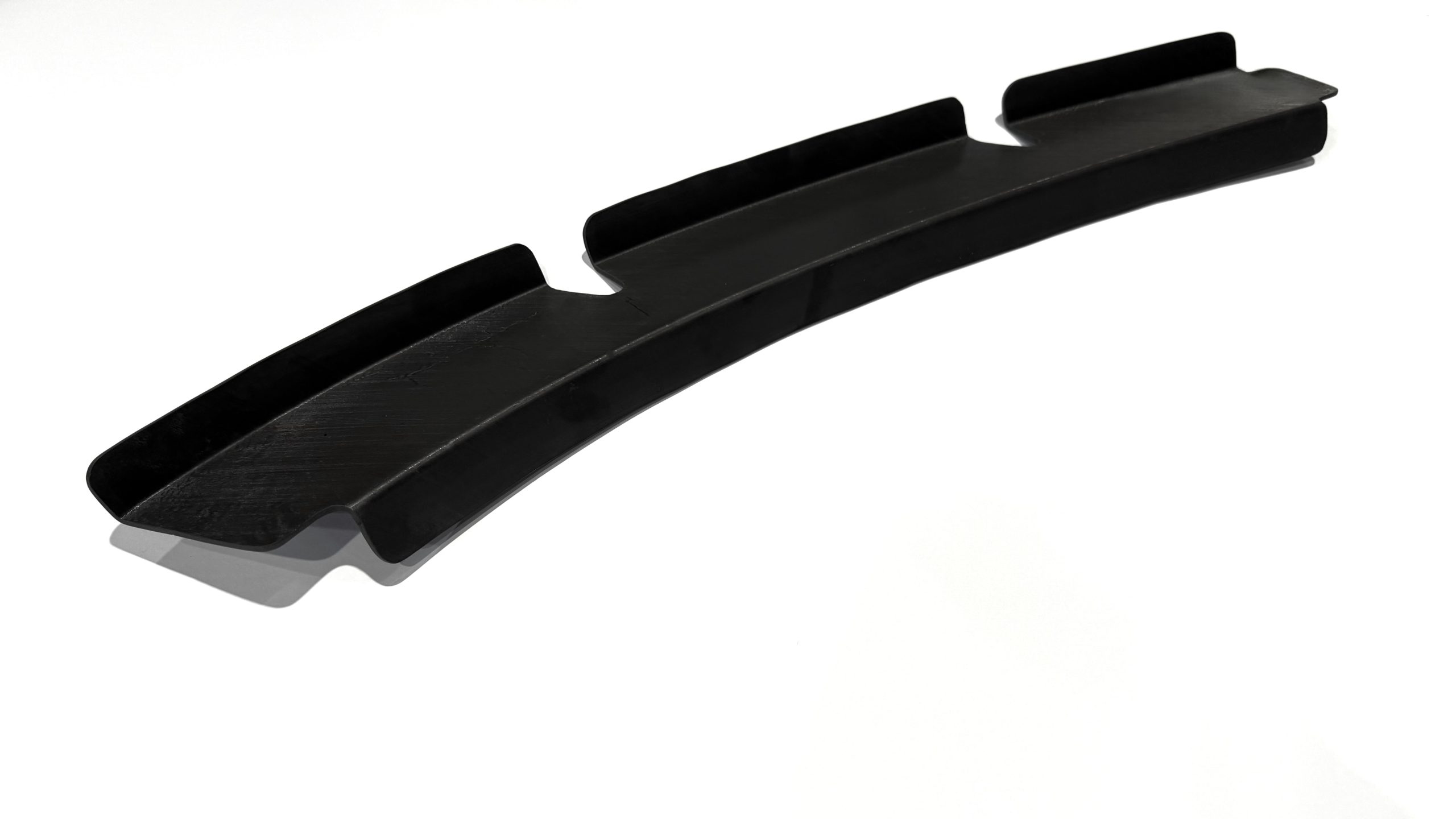
Stamp Forming facilitates high-rate manufacturing of high-performance thermoplastic composite components. Starting from consolidated tailored blanks/organosheets, the material is heated using infrared (IR) heating, rapidly transferred to the forming press and shaped under controlled conditions, followed by consolidation and controlled cooling. The process enables short cycle times and repeatable manufacturing of large and complex components, including variable-thickness configurations, supported by active process monitoring and control.
Oven vacuum bagging
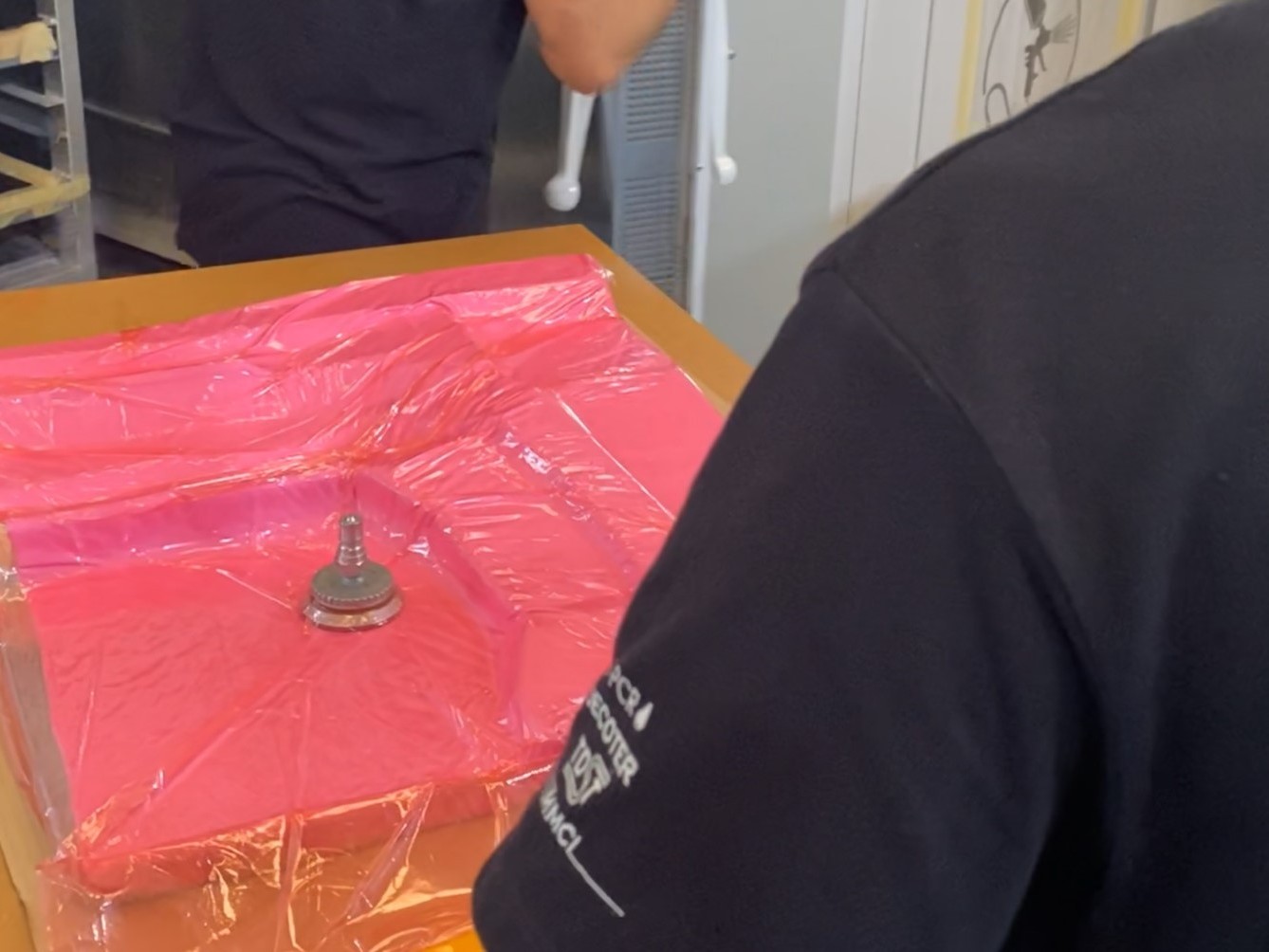
Oven Vacuum Bagging provides a flexible Out-of-Autoclave manufacturing route using vacuum consolidation and controlled temperature cycles. The process can be applied to prepreg lay-ups as well as bonding and curing operations, providing a versatile solution for composite components with different geometries, sizes and processing requirements. It complements our press molding technologies when vacuum processing and oven curing are the most suitable manufacturing route.
Overmolding
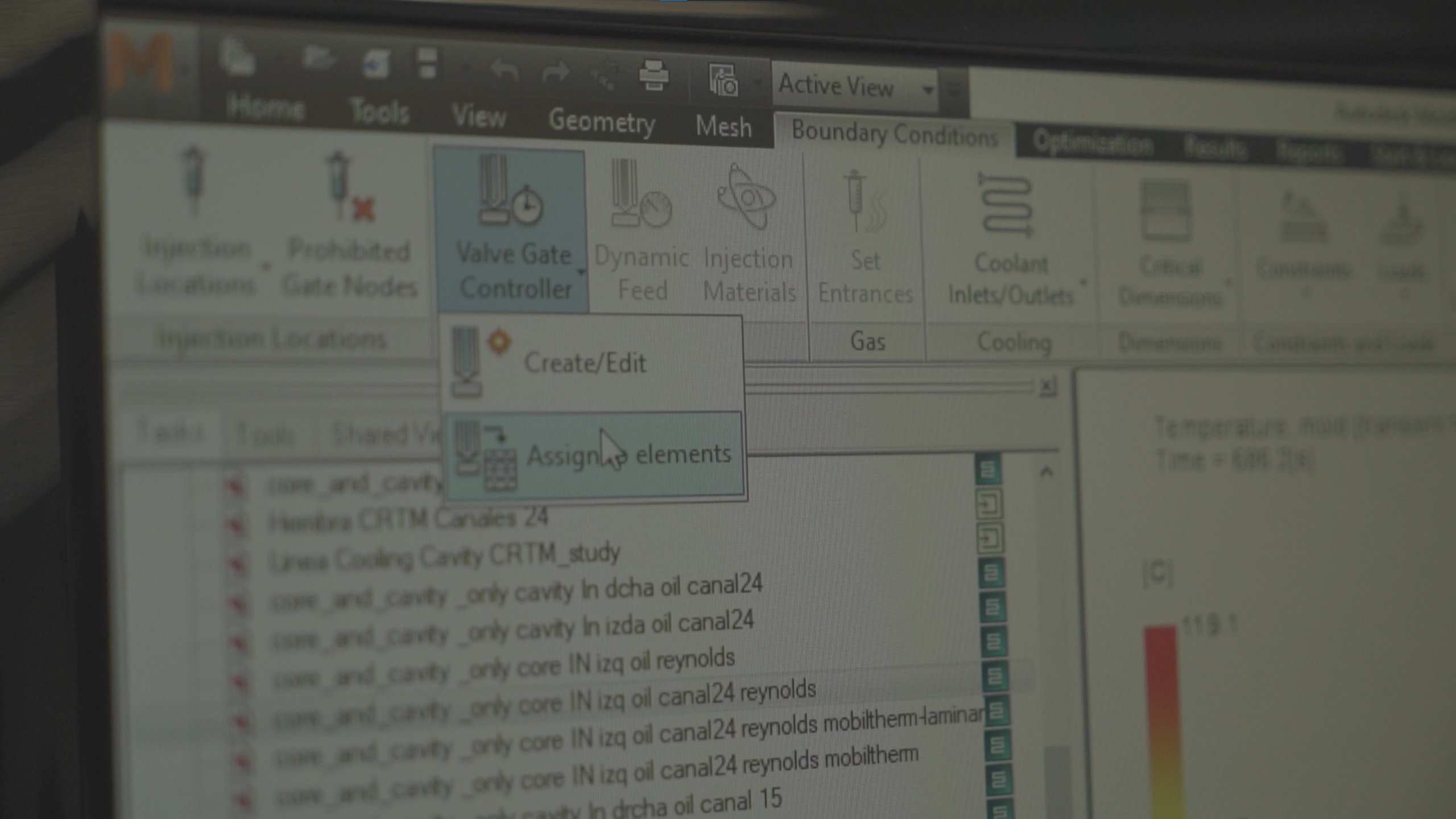
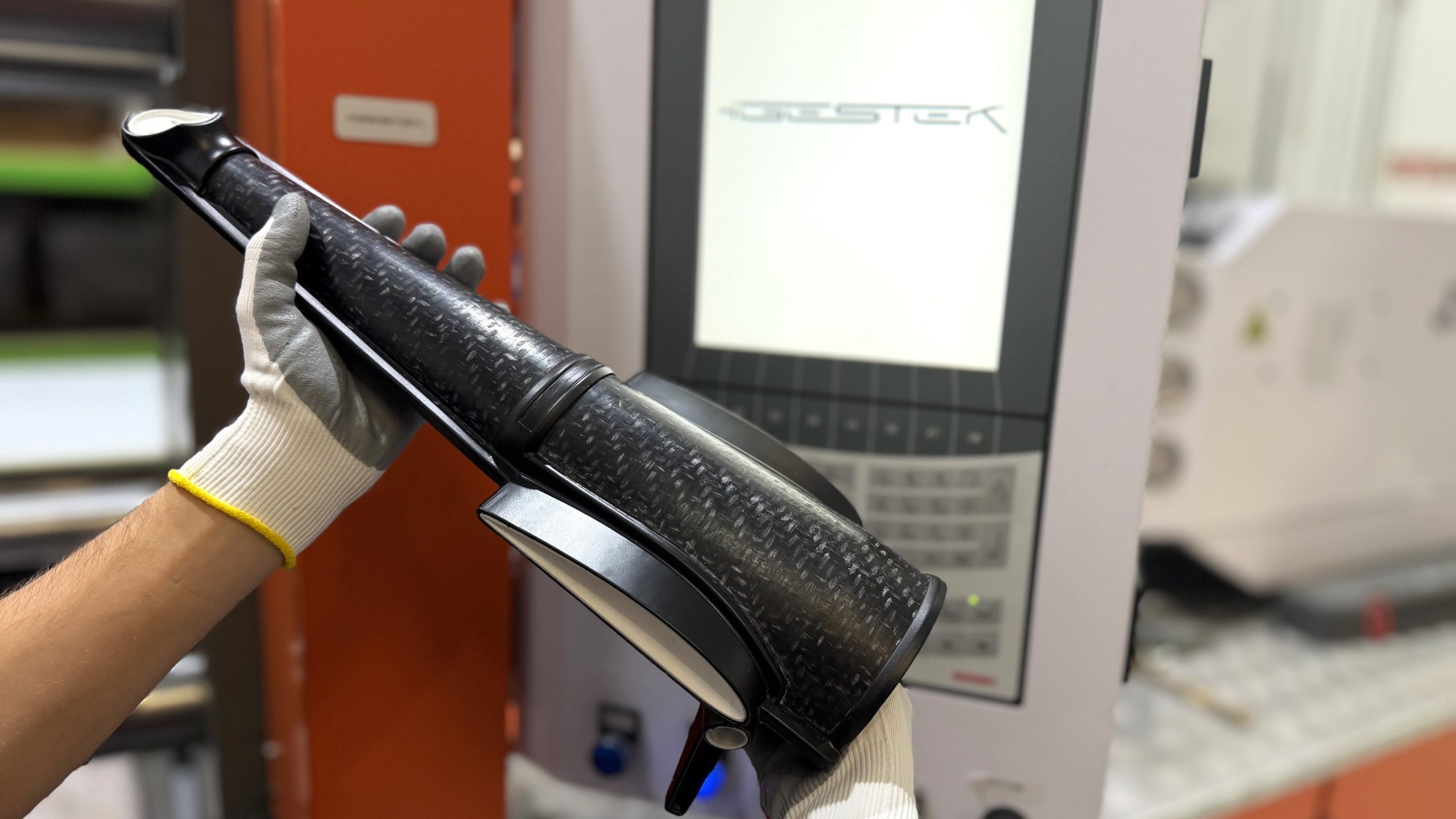
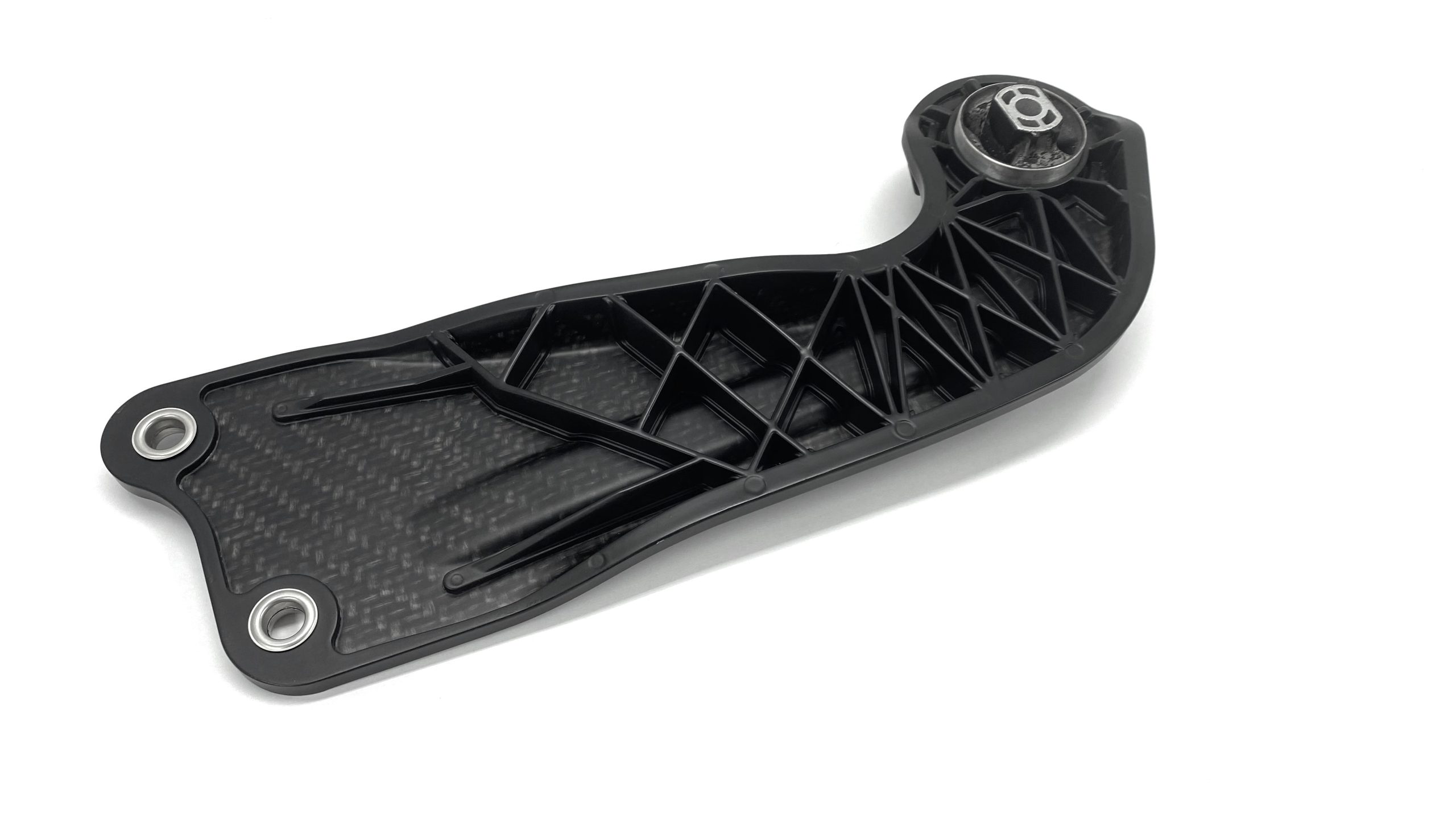
Overmolding allows for the integration of additional functions directly onto composite structures through injection molding. Functional features such as ribs, fixings and interfaces can be integrated into the component, combining structural performance with increased geometric and functional complexity. This hybrid manufacturing approach enables highly integrated lightweight structures, reducing part count and assembly operations while supporting short cycle times and repeatable manufacturing.
Machining & Finishing
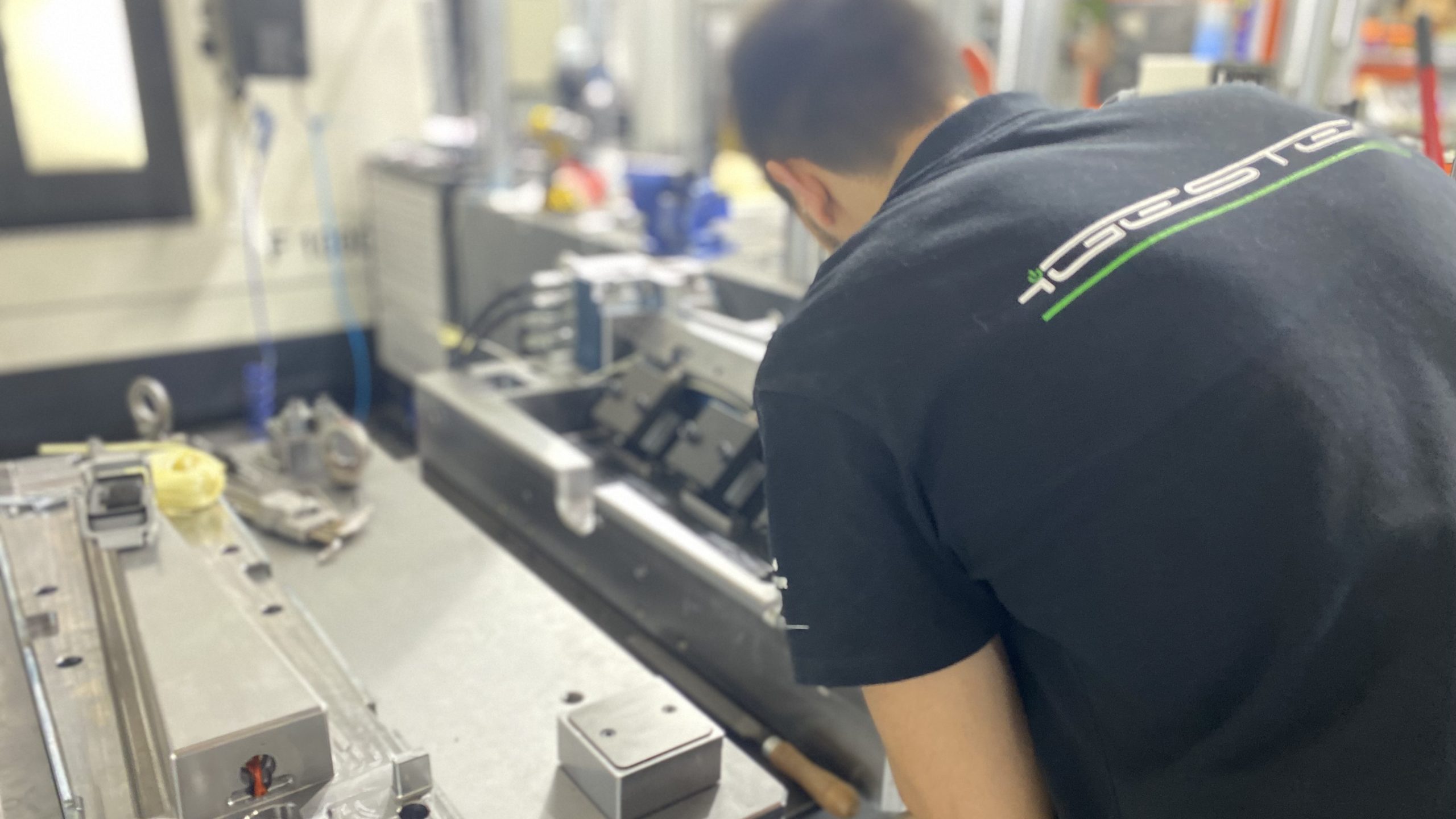
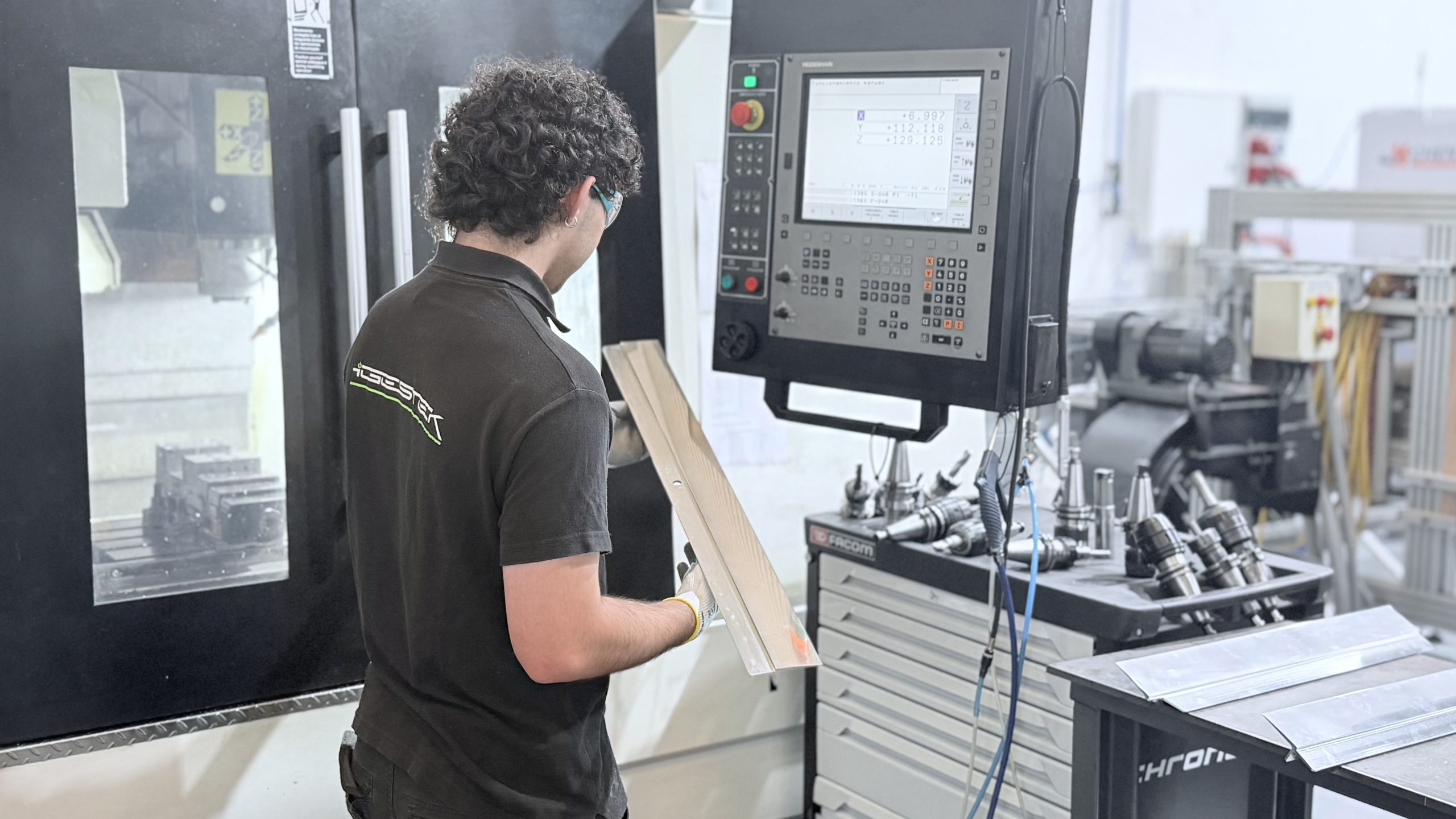
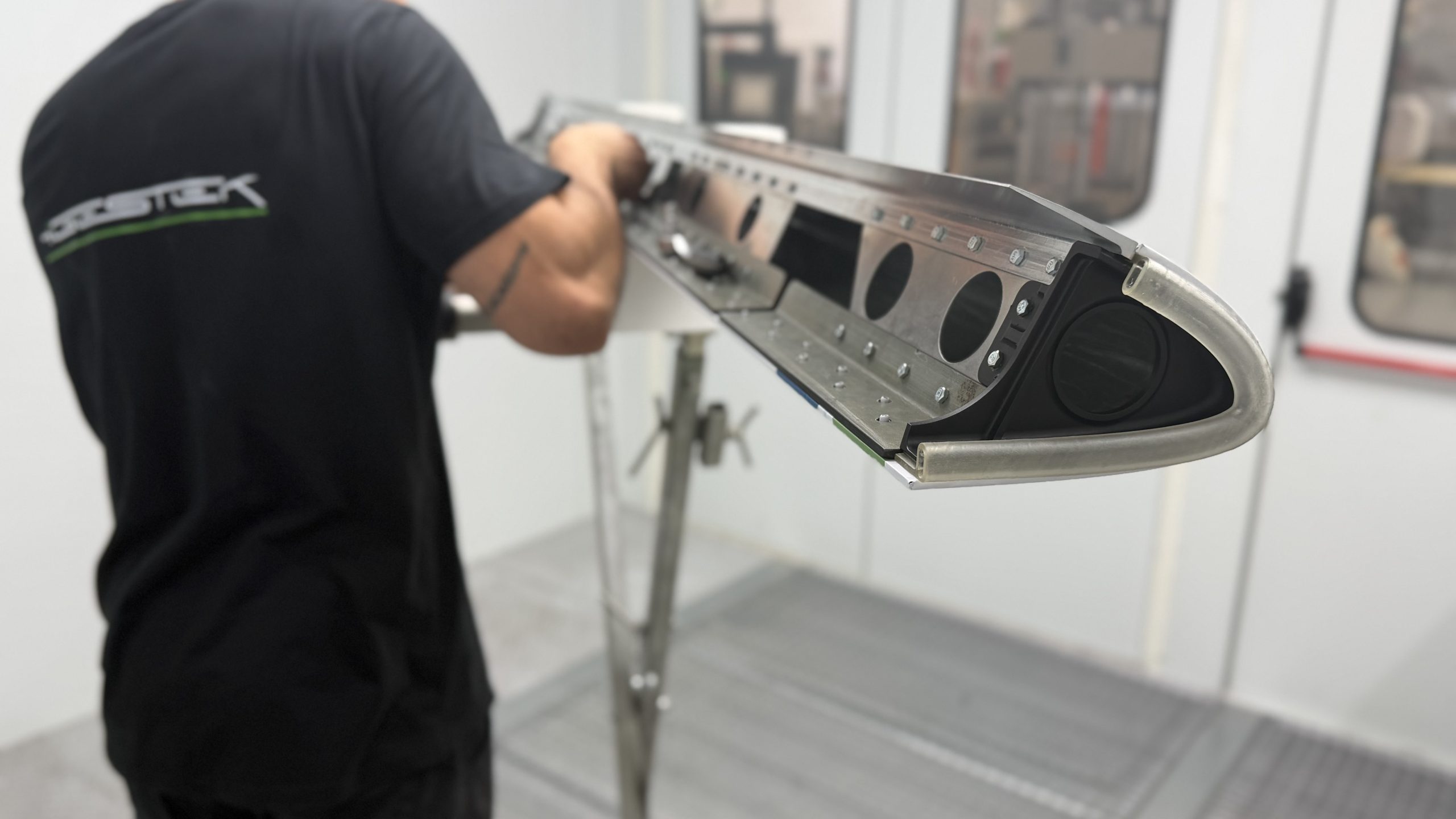
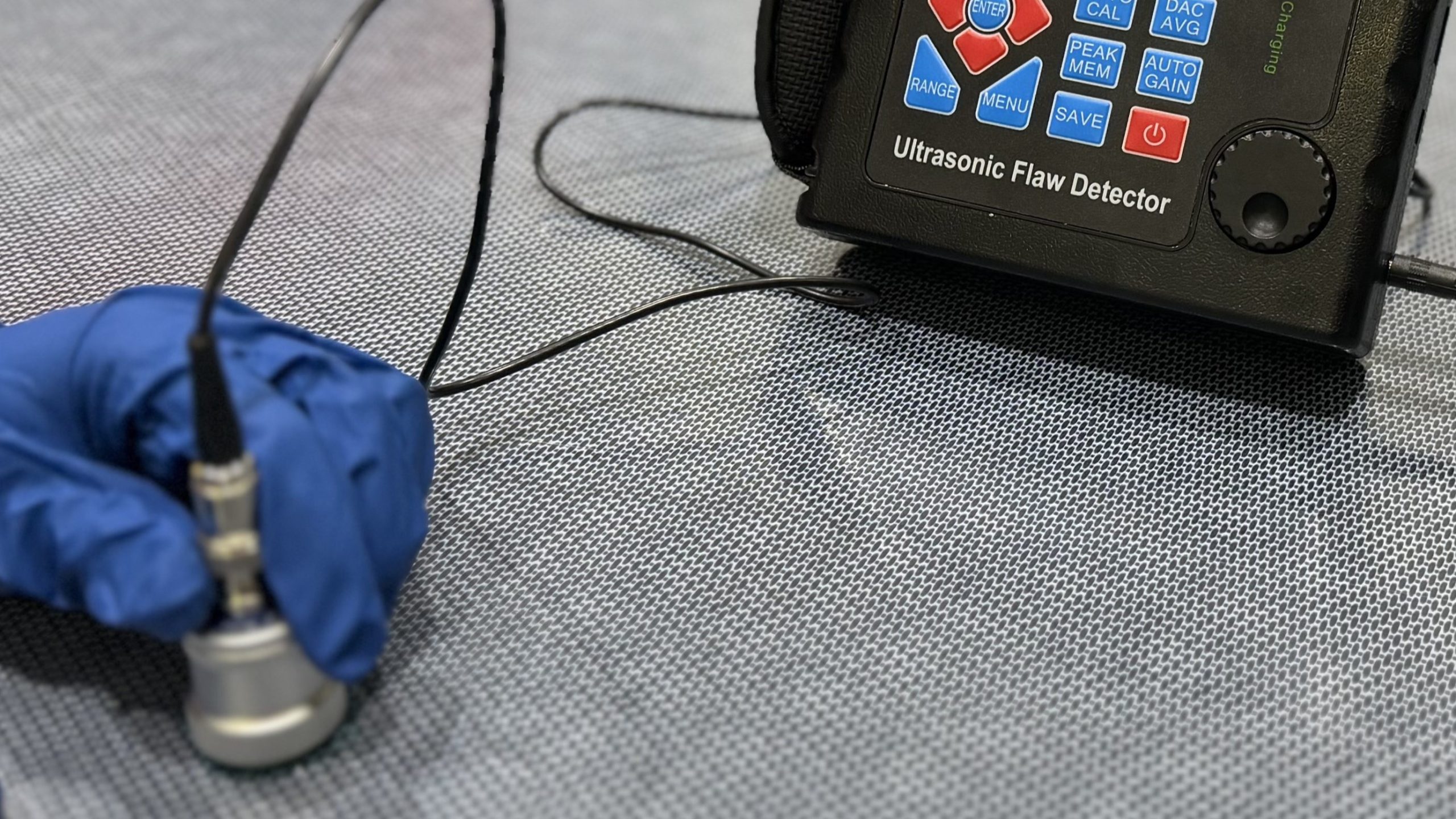
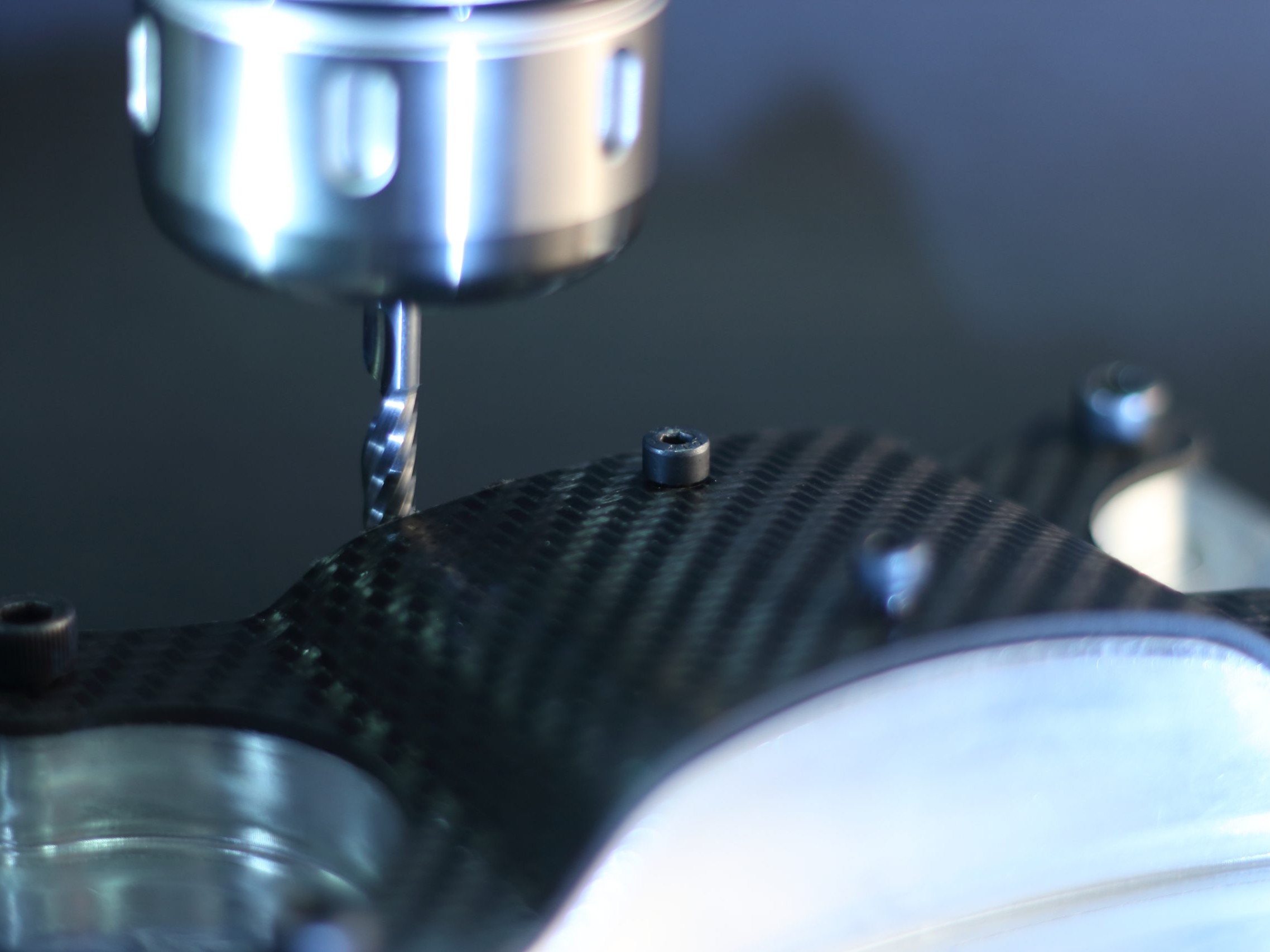
Our composite manufacturing capabilities extend beyond molding to the machining and finishing operations required to deliver finished components. We perform CNC machining, trimming and drilling of composite parts, followed by edge sealing of machined edges, surface preparation, priming and painting when required. Integrating these operations into the manufacturing process enables us to control the component through to its final configuration, ready for assembly or delivery.
Assembly
FROM COMPONENT TO SUBASSEMBLY
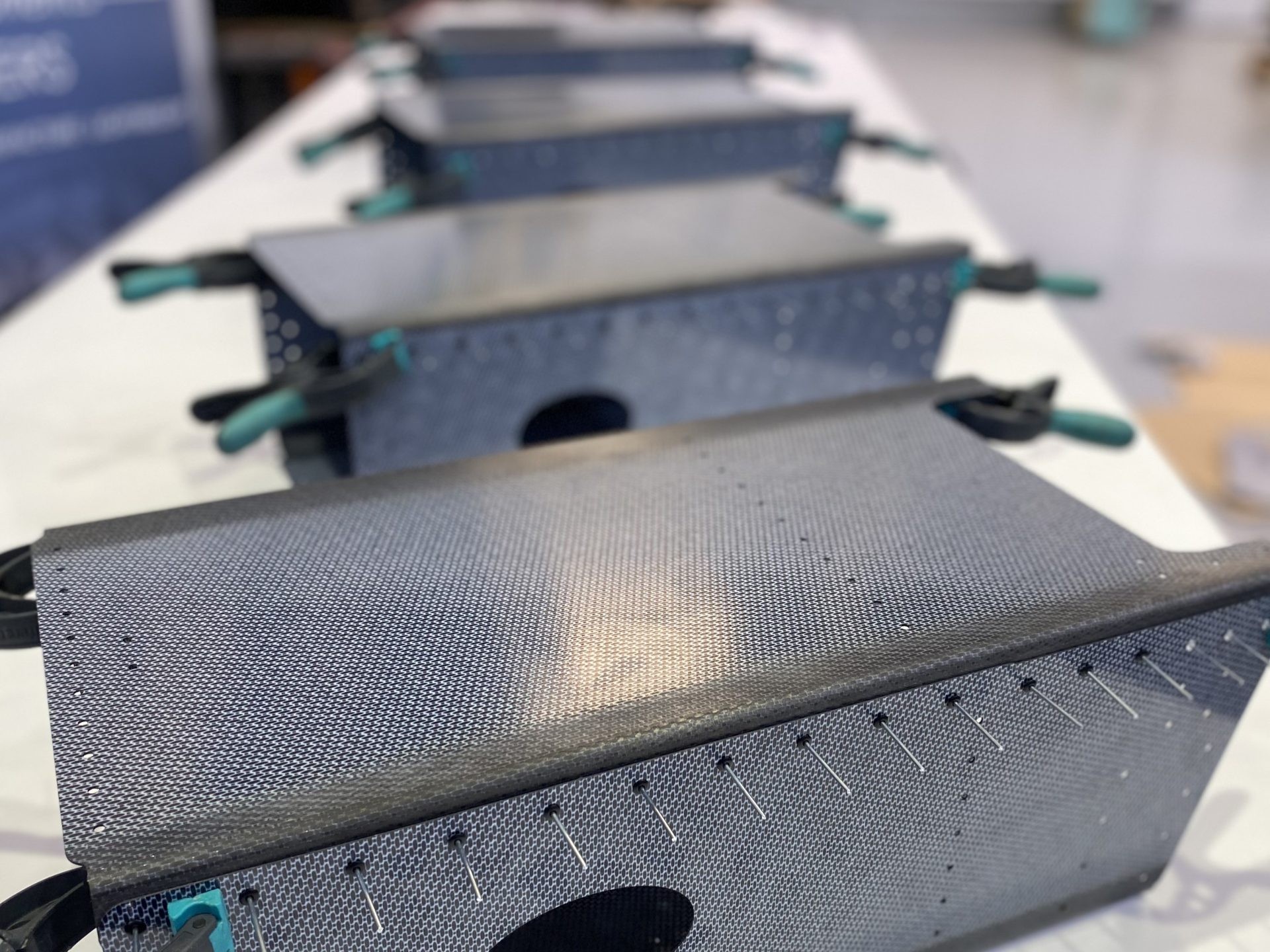
Our assembly capabilities enable us to move from individual composite components to complete and integrated subassemblies. We perform component and subsystem assembly, integrating composite structures with other components, interfaces and functional elements according to the requirements of each application. This additional level of integration enables us to deliver complete subassemblies ready for their final application, extending our manufacturing capability beyond the supply of individual components.